Use Probability to Understand Risk and Reward in Casino Games

Use Probability to Understand Risk and Reward in Casino Games
Casino games are often seen as games of luck—but behind every spin, card, or roll of the dice lies mathematics. Probability is the key to understanding why the house almost always wins in the long run, and how you, as a player, can make more informed choices. Whether you play blackjack, roulette, or slot machines, a basic grasp of probability helps you see what’s realistic and what’s just wishful thinking.
What Does Probability Mean in Gaming?
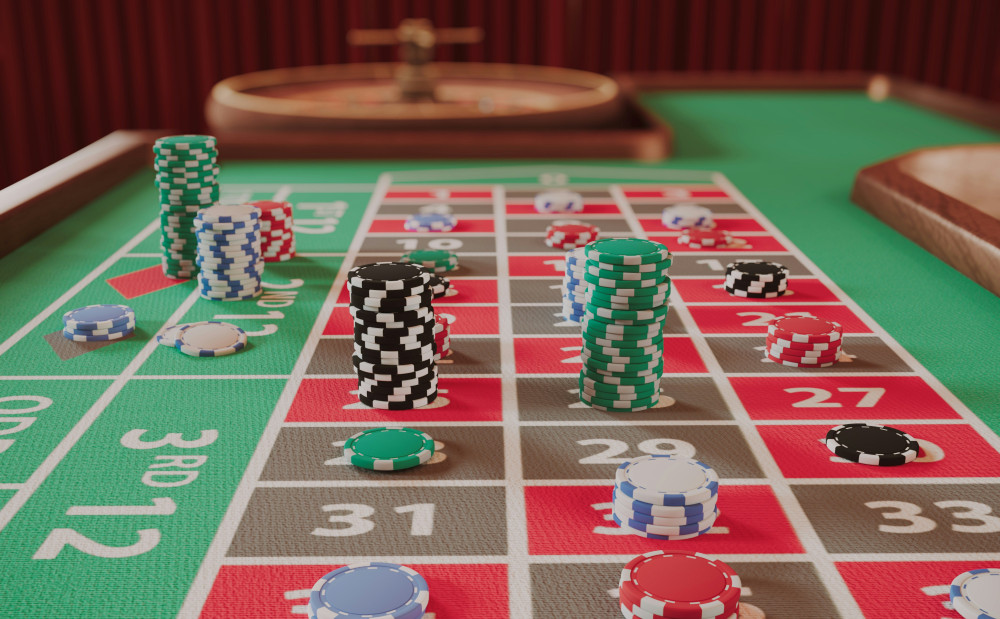
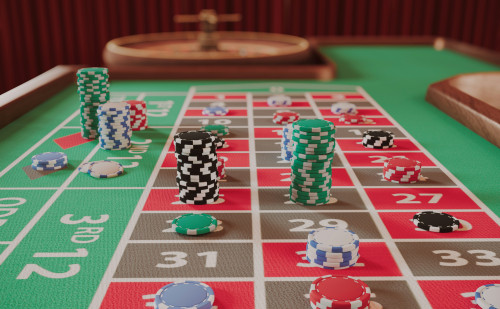
Probability describes how likely it is that a particular event will occur. In casino games, that could mean drawing an ace in blackjack or hitting a specific number in roulette. Probabilities are usually expressed as fractions or percentages—for example, 1 in 38 in American roulette, where the wheel has 38 pockets.
The lower the probability, the smaller your chance of winning—but the potential payout is often higher. This balance between risk and reward is what makes casino games exciting, but also potentially risky if you don’t understand the math behind them.
The House Edge – The Hidden Factor
Every casino game is designed with a built-in advantage for the house, known as the house edge. This ensures that, no matter how lucky you are in the short term, the casino will statistically profit over time.
Take American roulette as an example: there are 38 pockets, but a correct bet on a single number pays 35 to 1. If the game were perfectly fair, the payout would be 37 to 1. That small difference is the house edge—it’s how the casino secures its long-term profit.
For players, this means you can’t “beat the system” in the long run, but you can choose games with a lower house edge to get more playtime and better short-term chances.
Games with Low and High Variance
Another important concept is variance—how much results fluctuate. Low-variance games, such as blackjack or video poker, offer frequent but smaller wins. High-variance games, like slots or roulette, pay out less often but with larger prizes.
Knowing the difference helps you choose games that fit your playing style. If you prefer steady play and smaller swings, low-variance games are ideal. If you enjoy chasing big wins and can handle bigger ups and downs, high-variance games might be more exciting.
Probability and Strategy
While casino games are ultimately based on chance, probability can still be used strategically. In blackjack, for instance, basic strategy—making decisions based on mathematical probabilities—can significantly reduce the house edge. Knowing when to hit, stand, or double down is all about understanding the odds.
In games like roulette or slots, no strategy can change the underlying probabilities, but you can still use your knowledge of odds to make smarter bets. For example, betting on red or black in roulette gives you nearly a 50% chance of winning, while betting on a single number gives you only about a 2.6% chance.
Læs også:


The Psychological Trap
Many players fall for what’s known as the gambler’s fallacy—the belief that past outcomes influence future ones. If the roulette wheel has landed on black five times in a row, some players think red is “due.” But each spin is independent, and the probability doesn’t change.
Understanding this helps you avoid irrational decisions. Probability isn’t about predicting what will happen next—it’s about understanding how results balance out over time.
Use Knowledge to Play Responsibly
Knowing about probability won’t make you a guaranteed winner, but it can help you play more consciously. You can set realistic expectations, choose games with lower house edges, and avoid letting emotions drive your decisions.
Casino gaming should be seen as entertainment, not a way to make money. When you understand the probabilities behind the games, it becomes easier to enjoy them for what they are—a fascinating mix of luck, mathematics, and human psychology.
Læs også: