Birthdays or Chance? How to Choose Your Lottery Numbers

Birthdays or Chance? How to Choose Your Lottery Numbers
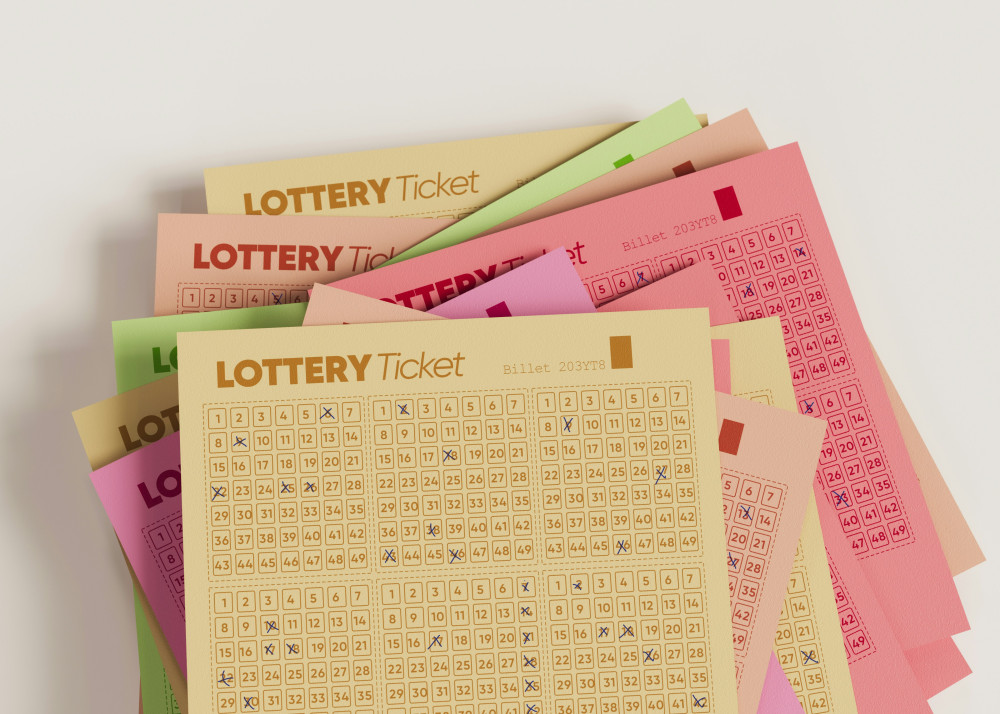
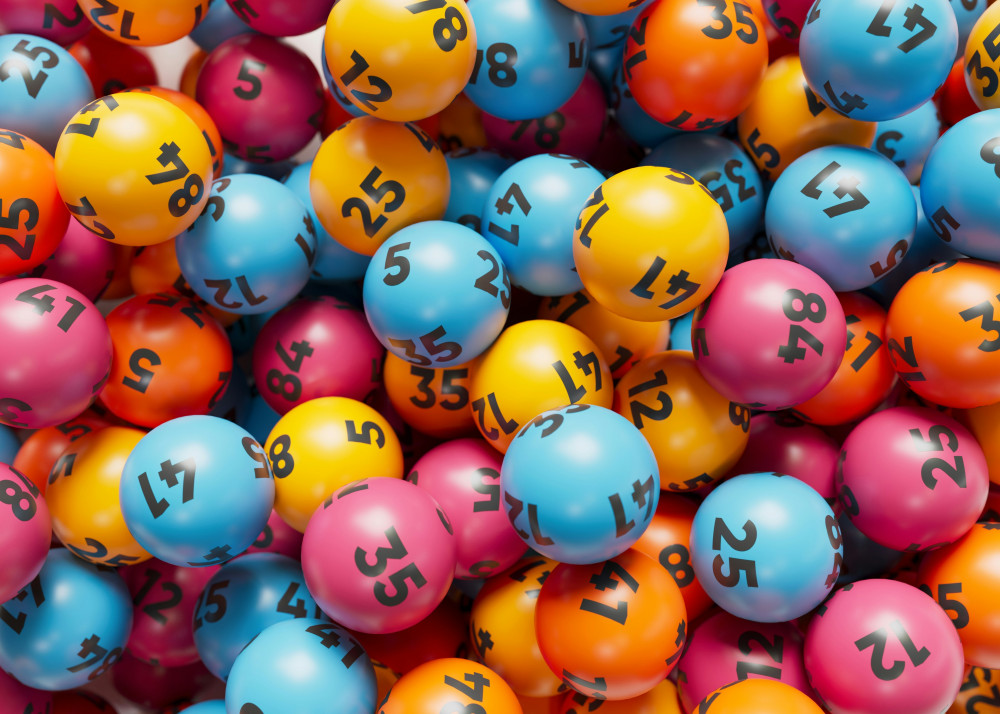
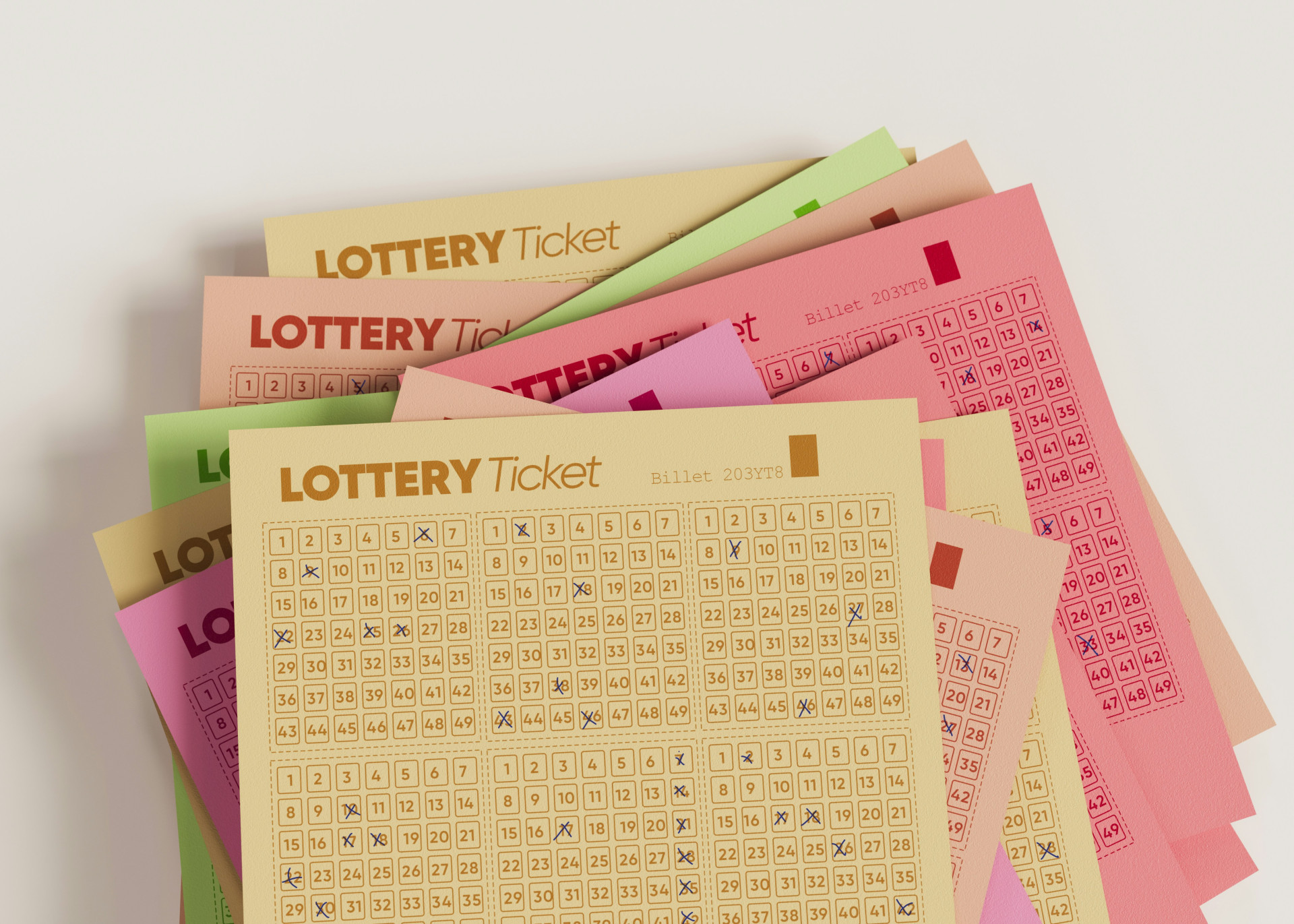
Every week, millions of Canadians fill out their Lotto 6/49 or Lotto Max tickets, dreaming of the life-changing moment when their numbers are called. But how do people actually choose those numbers? Should you rely on birthdays, lucky numbers, or pure randomness? While every draw is completely random, the way you pick your numbers can influence whether you end up sharing your prize with others.
Birthdays – the sentimental favourite
One of the most common ways to pick lottery numbers is by using meaningful dates: birthdays, anniversaries, or other special occasions. It feels personal, and the numbers are easy to remember. However, there’s a catch — dates only go up to 31, and months to 12. That means most people choose numbers in the lower range.
In games like Lotto 6/49, where numbers go up to 49, higher numbers are often underused. If a draw happens to include several numbers above 31, fewer players are likely to have chosen them. That could mean a bigger share of the jackpot if you win.
Random picks – the statistically neutral choice
From a mathematical standpoint, every combination has exactly the same chance of being drawn. There are no “lucky” or “unlucky” numbers. That’s why many players let the computer choose for them — known as a “Quick Pick” in Canada. This approach removes personal bias and avoids repeating familiar patterns.
Studies of lottery behaviour show that Quick Picks don’t win more often, but they do have one small advantage: fewer people tend to have the same combination. So if you do win, you’re less likely to split the prize with others.
Patterns and systems – when logic meets luck
Some players try to find patterns in past draws, tracking which numbers appear frequently or which ones haven’t shown up in a while. But in a truly random draw, past results have no influence on future ones. A number that hasn’t been drawn for months isn’t “due” — it’s just as likely (or unlikely) as any other.
There are also system plays, where you cover multiple combinations at once. This increases your chances of matching some numbers, but it also increases the cost. System plays can be fun for those who enjoy playing with probabilities, but they don’t change the fundamental odds.
Avoid the most common combinations
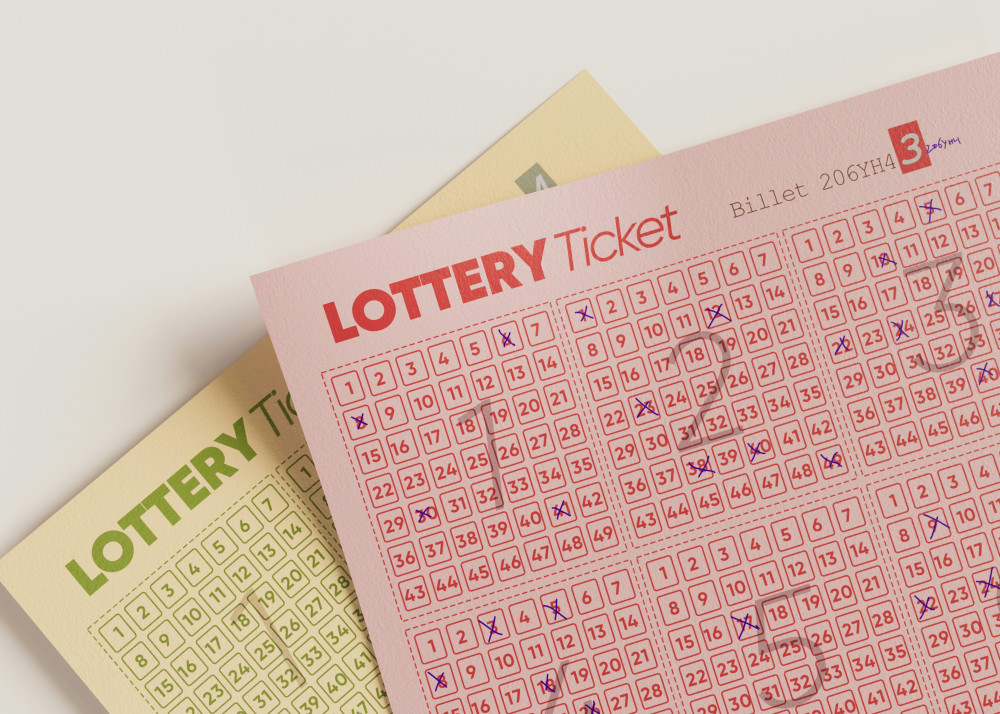
Even though all number sets have the same chance of winning, some choices can affect how much you take home if you do win. Simple sequences like 1-2-3-4-5-6 or patterns that form lines on the ticket are surprisingly popular. If one of those ever came up, the jackpot would be split among thousands of players.
To avoid that, it’s better to pick numbers that look a bit random or messy. It won’t increase your odds of winning, but it might increase your payout if you hit the jackpot.
Læs også:



Play for fun – not as a strategy
No matter how you choose your numbers, it’s important to remember that the lottery is a game of chance. The odds of winning a major prize are extremely small, and no method can change that. The best approach is to play for entertainment, not as an investment.
Set a budget you’re comfortable with, enjoy the excitement of the draw, and treat any win as a bonus. After all, the thrill of possibility is part of what makes the lottery so appealing.
Finding your own approach
There’s no single “right” way to pick lottery numbers. Some people enjoy using personal dates, while others prefer to leave it entirely to chance. The key is to choose a method that feels fun and meaningful to you.
Maybe that’s what keeps Canadians coming back week after week — the mix of hope, imagination, and randomness. Because even though the numbers are drawn by chance, it’s human nature to believe that maybe, just maybe, your numbers could be the lucky ones.
Læs også: