Bingo Across Generations: How Age Shapes the Game’s Charm

Bingo Across Generations: How Age Shapes the Game’s Charm
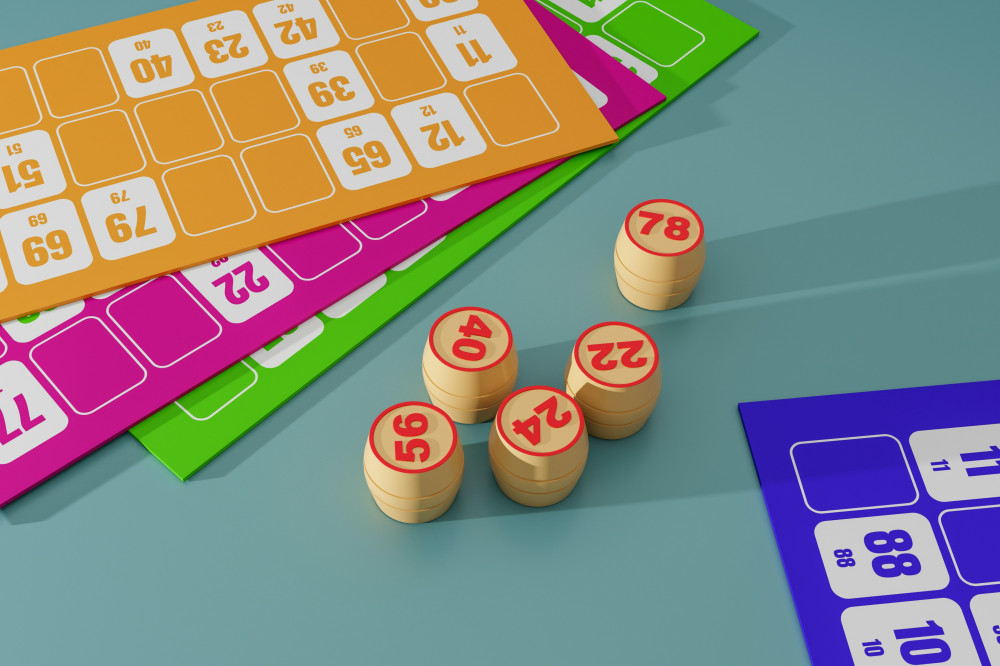
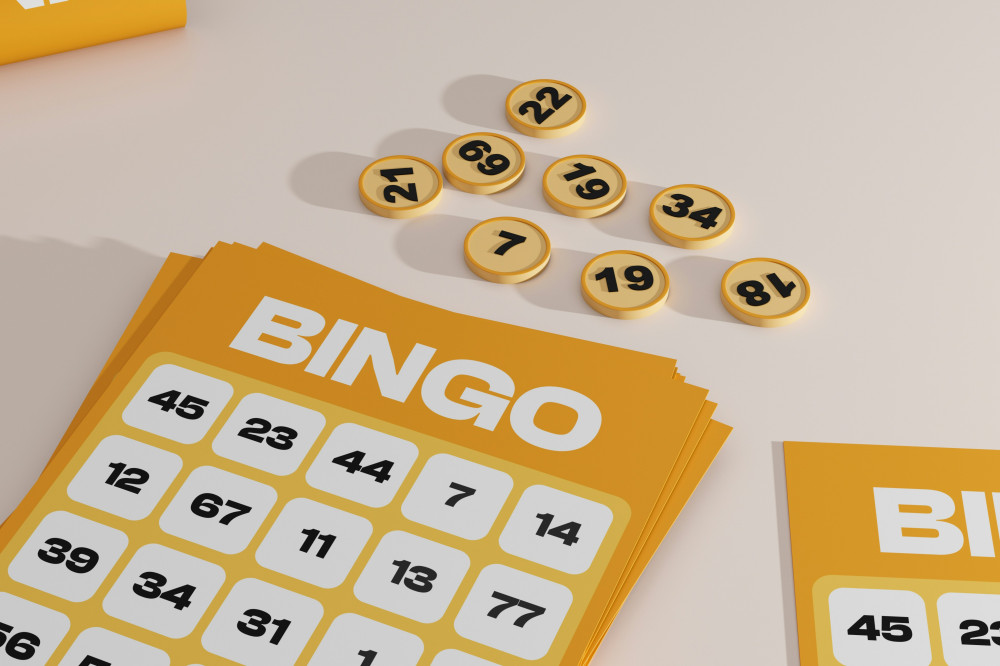
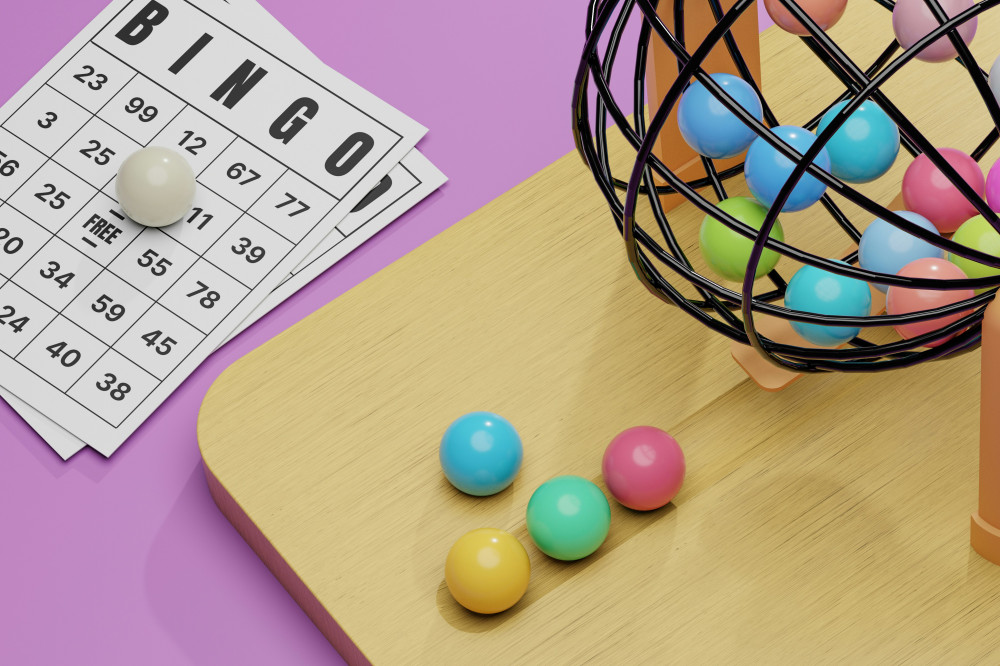
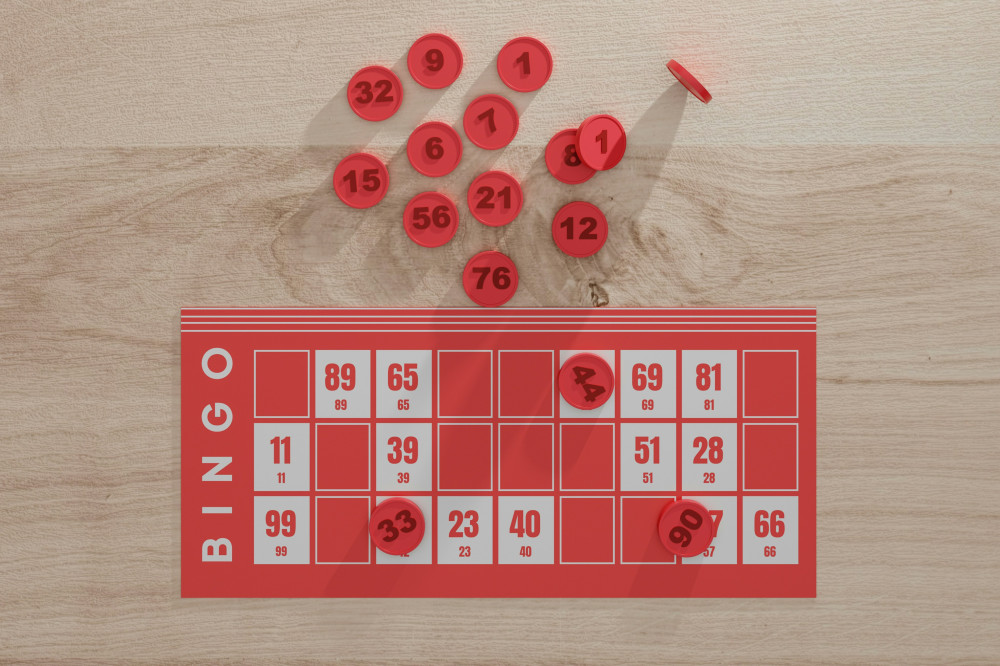
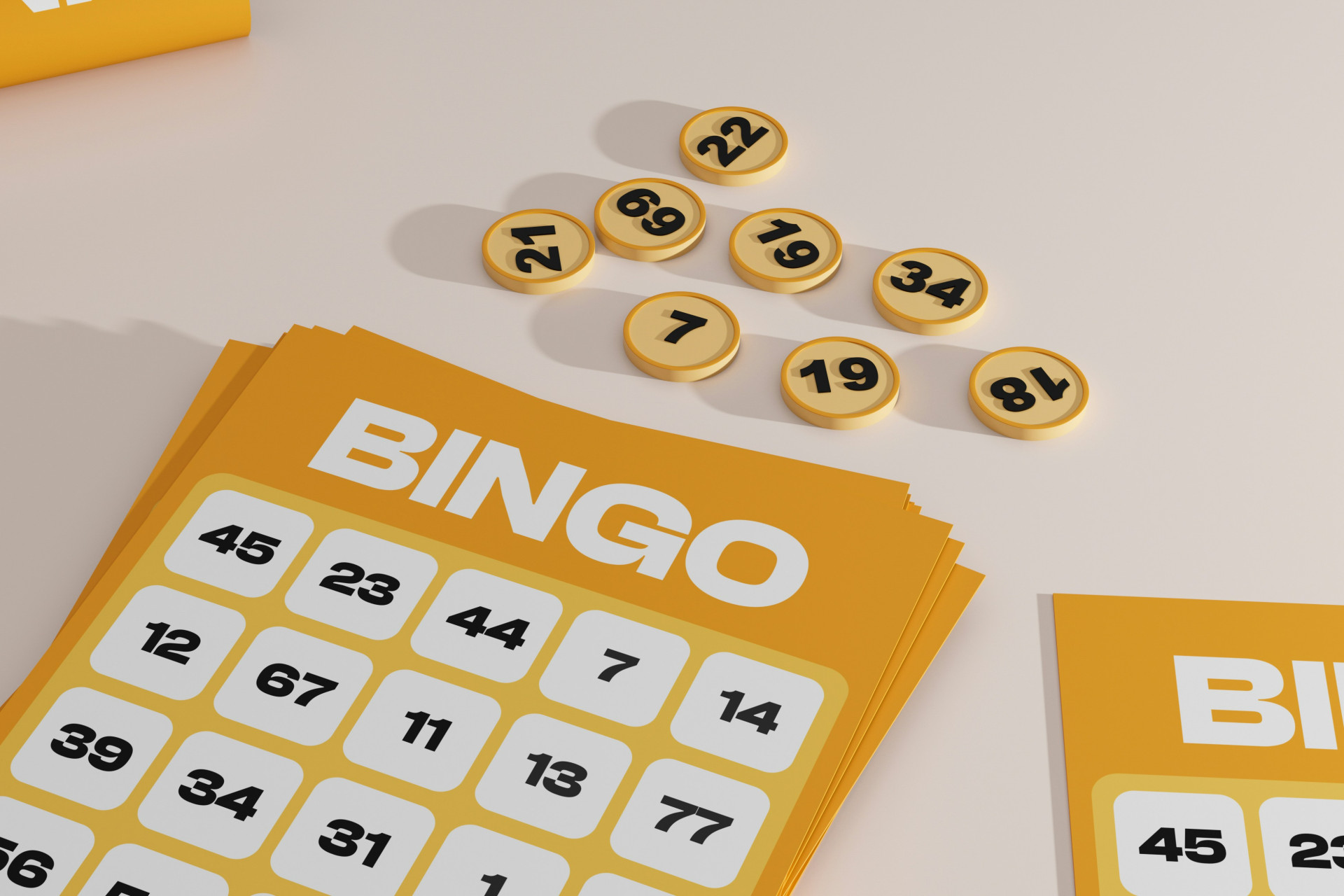
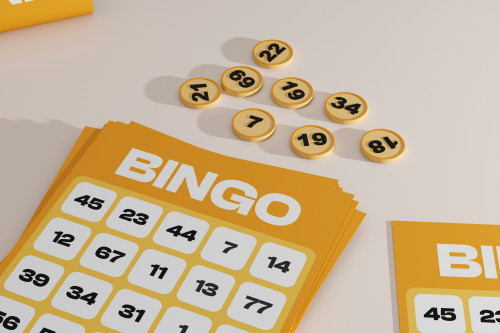
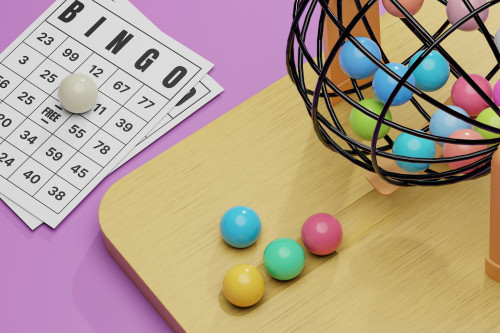
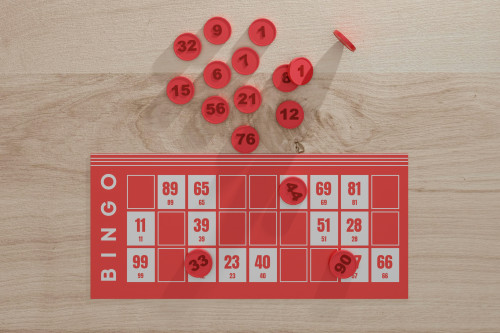
At first glance, bingo seems simple: numbers are called, cards are marked, and excitement builds until someone shouts “Bingo!” But behind the numbered squares lies a game that has connected generations and adapted to changing times. For some, it’s a cherished social ritual; for others, a nostalgic pastime or a trendy night out. Bingo’s enduring charm lies in how it evolves with the people who play it.
A Game with Deep Roots in Canadian Life
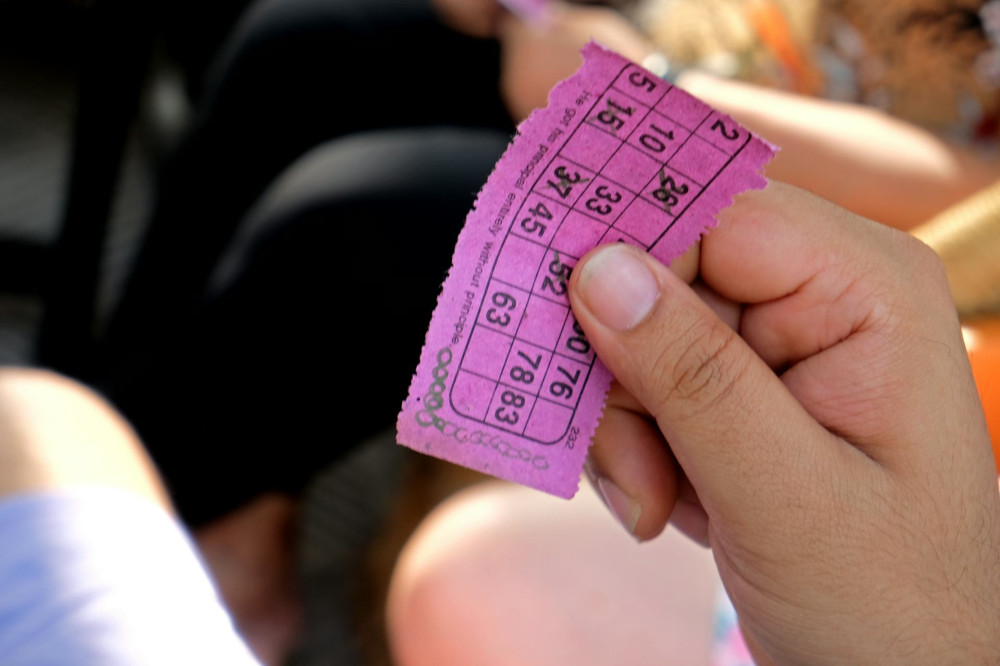
Bingo’s origins stretch back centuries, but in Canada, it truly took hold in the mid-20th century. Church basements, community halls, and local legions became the heart of bingo culture. It wasn’t just about winning a prize—it was about gathering with neighbours, sharing stories, and supporting local causes. Many small towns still host weekly bingo nights that fundraise for schools, sports teams, or charities.
For older Canadians, bingo often represents familiarity and connection. The rhythm of the caller’s voice, the smell of coffee and doughnuts, and the friendly chatter between rounds create a comforting sense of belonging. It’s a space where time slows down and community spirit thrives.
Læs også:

The Younger Generation’s Bingo Revival
In recent years, bingo has found new life among younger Canadians—but with a twist. “Drag bingo,” “music bingo,” and themed events in bars and cafés have turned the traditional game into a lively social experience. Here, the focus isn’t necessarily on the prizes but on the fun, the laughter, and the shared energy of the crowd.
For millennials and Gen Z, bingo carries a playful sense of nostalgia. It’s a way to reconnect with something their grandparents loved, but in a setting that feels fresh and modern. Instead of paper cards and dabbers, they might use digital screens or apps, all while enjoying a drink and a playlist of throwback hits. The essence of the game remains, but the atmosphere has changed.
Bridging Generations Through Play
One of bingo’s greatest strengths is its accessibility. The rules are simple, and luck levels the playing field. That makes it one of the few games where grandparents, parents, and children can all join in together. In an age when entertainment often divides by age group, bingo stands out as a rare unifier.
When a grandparent and grandchild sit side by side, each with their own card, something special happens. The game becomes a shared experience that transcends age. The laughter, the suspense, and the small victories create moments of connection that linger long after the final number is called.
From Halls to Screens – The Digital Shift
Technology has transformed how Canadians play bingo. Online platforms and mobile apps now allow players to join games from anywhere—whether at home, on the bus, or during a coffee break. For some older players, this shift has been an adjustment; for others, it’s a welcome way to stay connected with friends and family across distances. Many online bingo sites even include chat rooms, recreating the friendly banter of in-person games.
For younger players, digital bingo fits seamlessly into their lifestyle. It’s quick, casual, and social—a modern pastime that still carries the thrill of anticipation and the joy of community.
Why Age Matters
Age shapes how we experience bingo because it reflects what we value at different stages of life. For older generations, it’s about tradition, routine, and companionship. For younger ones, it’s about novelty, energy, and shared fun. Yet at its core, bingo offers the same reward to everyone: the feeling of being part of something together.
Bingo, in all its forms, mirrors the rhythm of life itself—from the playful excitement of youth to the steady comfort of age. Whether played in a bustling hall or on a glowing screen, it continues to bring Canadians together, one number at a time.
Læs også: